
This year, it will be 24 years since the first issue of El Informador de Champaign-Urbana was printed in March 2002.
The publication, which began as a graduate student project at the University of Illinois Urbana-Champaign, brought together students, university staff, community members, and local organizations who wished to see a Spanish-language newspaper that would address the needs of Latinos and Spanish-speaking persons in Champaign-Urbana.
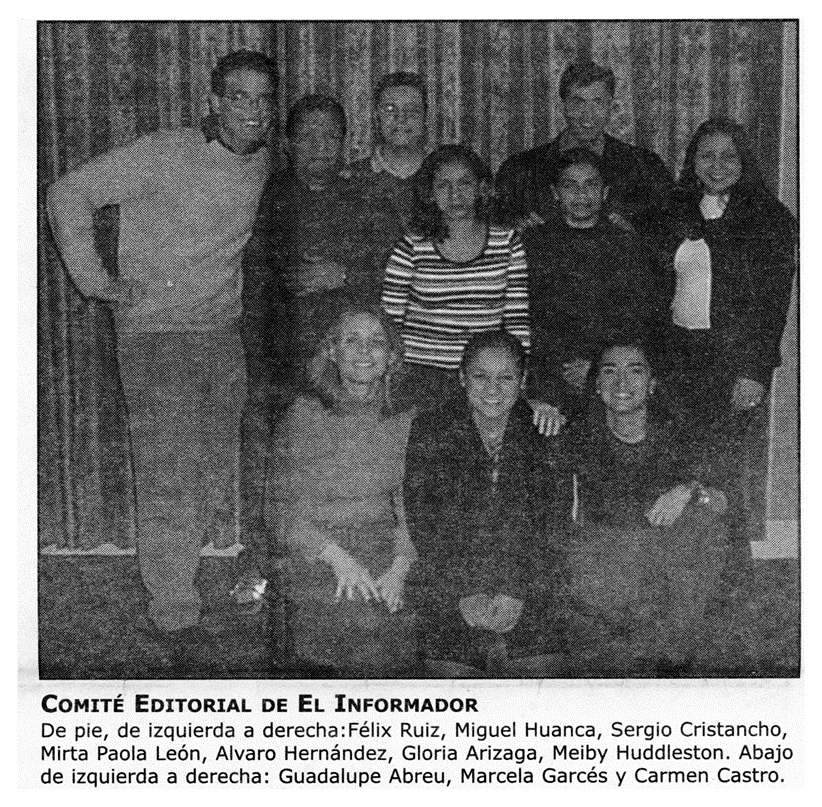
The name, El Informador, was meant to embody the goals and priorities of the newspaper, which was to provide a space where community members could inform themselves and share their opinions. The publication, which operated on a very limited financial and staff capacity, published a monthly issue until 2007 when it became a part of The News Gazette community papers division.
Outside of C-U, the newspaper also distributed to Rantoul, Arcola, and Mahomet. Readers could find newspapers in libraries, restaurants, Mexican grocery stores, public services offices, health centers, schools, the University of Illinois and Parkland College, among other.
As a grassroots newspaper, the publication relied heavily on the support, talents, and time of the community. In an early publication of El Informador, a call is made for teen volunteers who wish to work with the newspaper. The young people largely focused on writing for the kids and teens sections of the newspaper, highlighting university prep, recreational activities, cultural practices and the latest in music, movies and television.
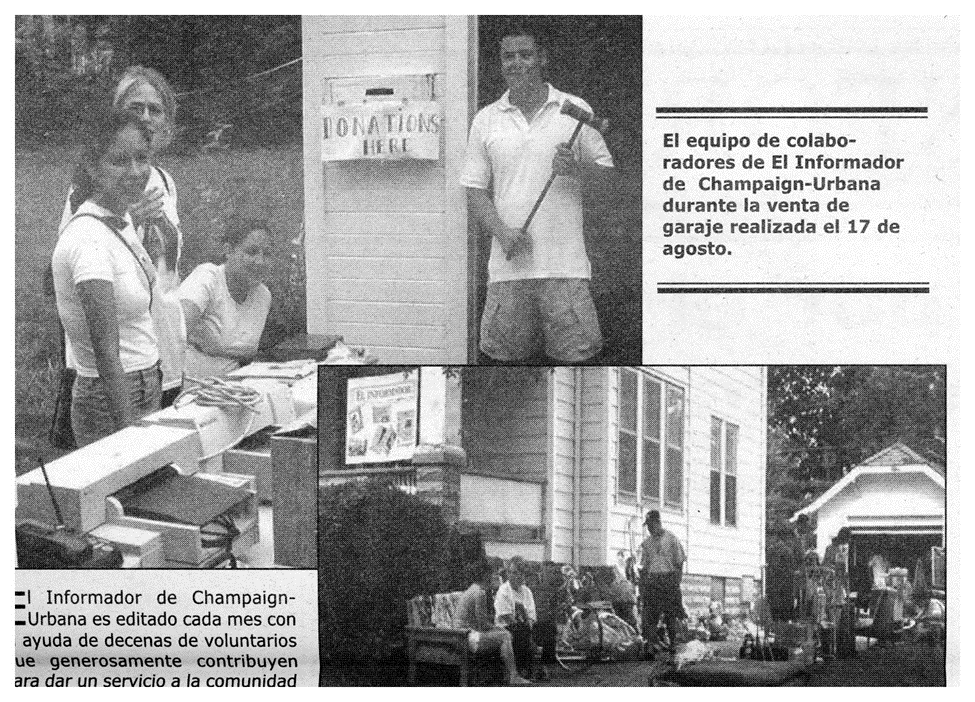
Given the financial limitations of the publication, volunteers often organized garage sales to help with the costs of materials for the newspaper. In the September 2002 issue, the team recounts a garage sale held just a month prior, on August 17th. The garage sale was held to raise funds for the purchase of a computer that would be strictly used for the publication. Many in the Latino community freely donated items in support of El Informador. In the end, the newspaper raised $300 from this event.
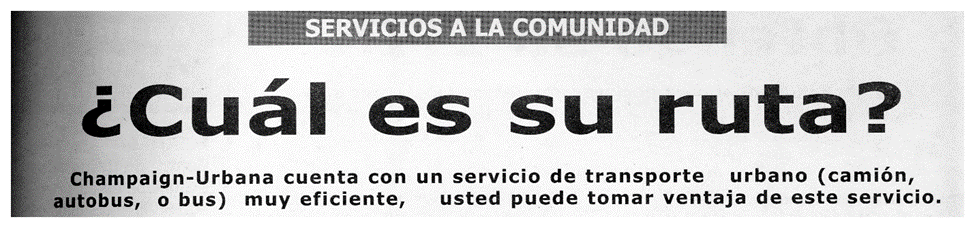
The newspapers provided news on Latin America, ensuring that ties were kept between individuals in the U.S. and their families in Latin America. However, the newspaper also aimed to connect Latinos with crucial information and resources about their local community in C-U. Readers could find information on libraries, bus routes, school registration, childcare programs, workers centers, refugee services, churches, and other local resources in nearly every issue.
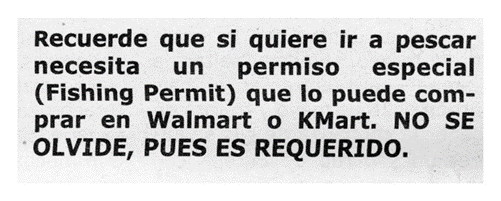
Especially important for many Latinos in C-U was access to information on taxes, car insurance, driving licenses, weather, adult English classes as well as local and state laws such as child labor laws or even how to obtain a fishing permit. These resources were meant to be especially helpful for those community members who were adapting to the language, customs, and laws of their new home in the U.S.
On a similar note, the newspaper was dedicated to providing trustworthy information on immigration related topics. In a time of anti-immigrant sentiment and predatory immigration scams, it was crucial for Latinos to know their rights and connect with reputable individuals and resources.
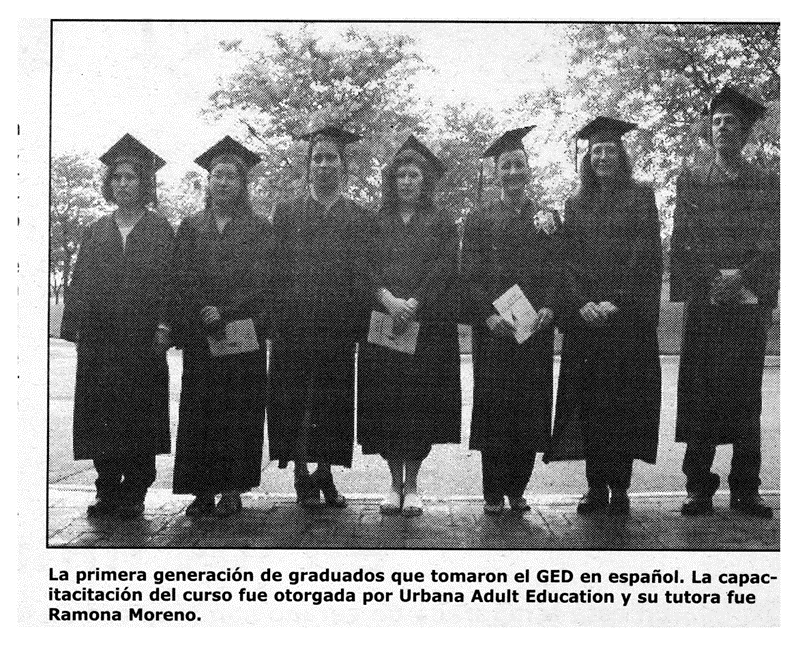
In addition to connecting the community with resources, the publication served as an avenue to highlight the successes and contributions of Latinos. This was meant to uplift the community and combat prevalent stereotypes of Latinos at the time. A featured story in the July 2002 issue of El Informador highlights 12 Latino students who were the first to obtain their GED in Spanish through the Urbana Adult Education program. While the program did not continue due to a lack of funds, the achievement remained significant.
In 2007, the publication was adopted by The News-Gazette as part of The News-Gazette’s Community Newspapers division. The decision was not an easy choice, but ultimately the lack of resources necessitated the change.
While the newspaper is no longer in publication, one can still find physical copies of most issues in the Archives.
Stay tuned for more on this collection!
-Kathia
Archives Apprentice